Fascia, Trim and Garage Door Repainting on a 1990s Temecula House

Bare wood does not get painted until it is dry, sound and sanded. The long run of fascia that wraps a 1990s house in Temecula, CA takes more sun than any wall, and the notes at painting contractor temecula john browns body on this kind of paint work keep returning to the same board ends and the same door panels. A repaint of trim is small in square footage and large in labour, because every inch of it needs hand prep.
Sun checking on fascia

Fascia boards facing south and west develop fine parallel cracks along the grain, called checking, after years of heat cycles. Paint on checked wood cracks the same way, and water follows the cracks in. The fix is scraping loose paint back to sound edges, sanding the surface, and brushing an oil based primer into the checks so it wicks deep. Latex primer sits on top of the cracks; oil based primer goes down into them.
Wood repair at board ends
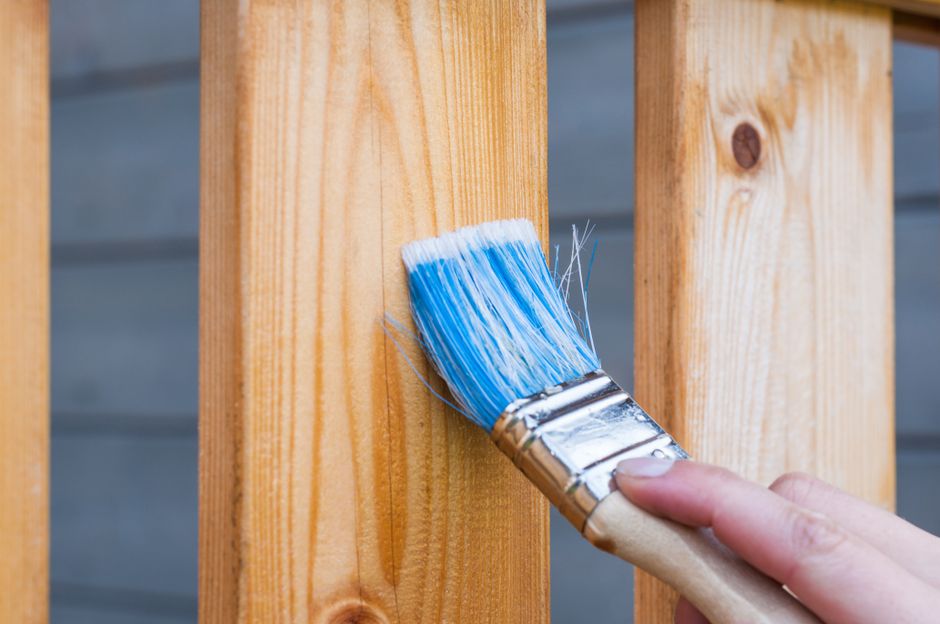
The ends of fascia and the bottom edges of window trim soak up sprinkler overspray and winter rain. Soft wood gets cut back to firm material and filled with a two-part wood filler, then sanded flush. Small dents and nail holes take spackle or caulk depending on movement: spackle for flat, static spots, flexible caulk for joints that open and close with the heat. Every joint where trim meets stucco gets a fresh bead, tooled smooth before the topcoat.
Garage doors
A steel or composite garage door lives in the worst spot on the house, a big flat panel facing the street with no overhang to shade it. Chalking and fading show first here. The door gets washed, scuff sand where the old finish is glossy, and spot primed on any rust or bare metal. Two coats of an acrylic enamel give a harder skin that survives the door flexing as it opens. Dark colours get hot, and some manufacturers limit them for that reason, so the door maker label is worth a look before a deep colour is picked.
Sheen choice
Trim takes a satin or semi gloss sheen so dust and handprints wipe off, and so water beads. Semi gloss shows every flaw in the wood beneath, so a surface that is rough or wavy looks better in satin. Fascia high up under the eaves is usually satin, since nobody touches it and a lower sheen hides the board grain.
Brush, roller or sprayer
Spraying trim is fast, and masking the stucco around it is slow. On a house with narrow fascia and tight eaves, a brush gives a cleaner line and puts paint into the wood better than overspray does. Garage doors are the exception: a sprayer or a fine nap roller laid off with a brush gives a smooth panel without lap lines.
Trim and doors that are prepped well and coated twice stay sharp for years. Trim that is simply painted over starts peeling inside a season.