Painting Contractor in Temecula, CA
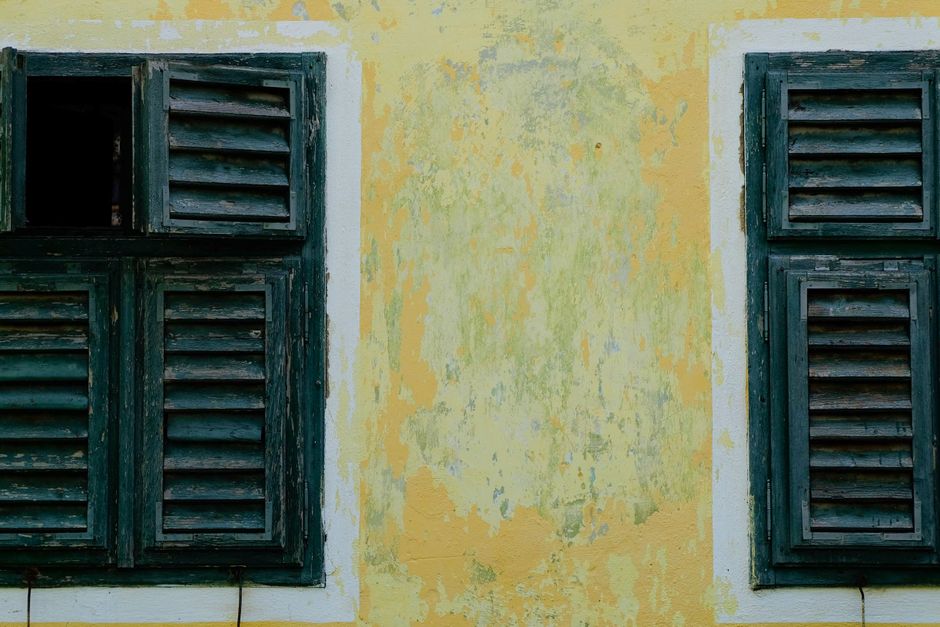
Notes on painting contractor work in Temecula, CA: stucco prep, HOA colour approval, summer heat timing and trim, door and block wall repaints on 1990s homes.
What We Cover
- Choosing a Painting Contractor for a Whole House Repaint in Temecula What to ask about scope, prep, coats and scheduling when comparing painters for an exterior repaint in Temecula.
- Fascia, Trim and Garage Door Repainting on a 1990s Temecula House What sun-cracked fascia boards, faded trim and chalky garage doors need before they get repainted.
- HOA Colour Approval for a Repaint in Redhawk and Similar Communities How the architectural review step works in master-planned Temecula neighbourhoods and what to have ready before a repaint is scheduled.
- Painting Block Walls and Property Line Walls in Temecula How concrete block walls around Temecula yards are cleaned, primed and coated, and why efflorescence causes trouble.
- Painting Exterior Walls in Temecula Summer Heat Why surface temperature, sun side and start times matter when August heat bakes stucco walls in Temecula.
- Stucco Prep Before an Exterior Repaint in Temecula How hairline stucco cracks, chalky surfaces and old patches get prepared on Temecula homes before any new coat goes on.
Painting Contractor in Temecula, CA
Exterior repaints in Temecula, CA start with the age of the house. Much of the city was built in a rush of subdivision growth in the 1990s, and the stucco, wood fascia and block walls from that era are now on their second or third coat of paint. Crews working in Riverside County see the same pattern on street after street: faded south and west walls, checked trim, chalky garage doors and walls that need more prep than paint.
Heat, sun and timing
This is a hot semi-arid climate, and August is the hottest month. Paint applied to a wall in direct afternoon sun dries too fast to level, so the crew follows the shade around the house and starts early. Only about 13 inches of rain falls in a year, which leaves a long window for exterior work, with spring and autumn the most forgiving.
Master-planned neighbourhoods
Redhawk, French Valley and the streets around Old Town each carry their own look. In master-planned communities such as Redhawk, the colours usually go through an architectural review before any paint is opened, so approval has to be sequenced ahead of the work. Block walls along property lines, garage doors facing the street and fascia running under the eaves are all part of the same job.
From the crew's side
The work comes down to prep. Washing, scraping, patching stucco cracks, caulking trim joints and priming bare spots take longer than the coats themselves, and they decide how long the finish holds up. Heading toward Temecula Parkway or Winchester Road in July, the houses that look worst are almost always the ones that were painted over without it.
Guides
The pages here cover stucco prep, homeowner association colour approval, summer heat timing, fascia and garage door work, block wall painting, and what a written scope should say when comparing painters.
Latest Guides
Protecting Landscaping, Sprinklers and Neighbours During an Exterior Repaint
2026-10-06
An exterior repaint changes the look of a house, and it also takes over the yard for several days. Ladders lean on shrubs, scaffolds stand on lawn, overspray drifts toward a neighbouring car, and a sprinkler timer that fires at dawn can ruin a freshly coated wall. The painting is only part of the job. The rest is protecting everything that is not supposed to be painted and arranging the property so the work can proceed without delay.
On a typical lot in Temecula, the planning that happens before the first brush stroke makes the difference between a clean job and a messy one. This article covers how a crew prepares the landscaping, irrigation, vehicles and neighbours around a house during a whole-house exterior repaint.
What happens to the plants and landscaping?
Plants suffer from three things during a repaint: crushing, overspray and water runoff from washing. The planning takes each one in turn.
Shrubs and small trees close to the wall are tied back with soft cord or pulled gently away so the crew can reach the surface behind them. Branches are tied, never cut, unless the owner asks for a trim. A wall with a hedge pressed against it cannot be washed, scraped or painted properly, so the hedge has to move or be trimmed in advance.
Drop cloths cover ground cover, flower beds and low plants. Canvas works better than plastic in summer, because plastic sheeting laid over plants in the Temecula sun cooks the leaves underneath. Plastic is fine for a short section and is lifted at the end of each day.
Washing sends dirty water, loose paint chips and detergent into the soil. A wall with chalking paint sheds a surprising amount of grey runoff. Beds below the wall are covered or the water is directed away with a temporary berm of rolled tarp, and the beds are rinsed with clean water afterward.
How are sprinklers and irrigation handled?
Irrigation is the most common cause of damage to a new coat, and it is easy to prevent. A sprinkler head that hits a fresh wall leaves spots in the finish and can wash wet paint right off the lower courses.
The timer is switched to manual or off for the entire job, and the homeowner is told in advance, so no one turns it back on out of habit. Heads that spray the wall are turned, capped or lowered to run below the wall line. Drip lines are left in place and covered, because they rarely reach the wall.
Before work starts, the crew looks at where the water hits the house. A wall with a wet band at the base tells the story right away. If irrigation has been hitting that wall for years, the paint along the bottom will have failed first, and fixing the sprinkler arc is part of making the repaint last. After the paint cures, the system is reset with the heads pointed away from the house.
What gets covered and masked?
Everything that is not paint gets protected, and the masking often takes longer than the spraying. A crew masks in this order.
- Windows, glass doors and frames, covered with film and tape so overspray cannot reach the glass.
- Light fixtures, house numbers, hose bibs, electrical boxes and vent covers, which are either removed or wrapped.
- Walkways, patios and driveway edges, covered with paper or canvas below the work area.
- Garage doors, front doors and any surface that gets a different colour or sheen, taped to a clean line.
- Outdoor furniture, grills and planters, moved well away from the walls or covered completely.
Tape left on too long in the sun bakes onto the surface and leaves residue. Masking is pulled while the paint is dry to the touch but not fully cured, so the edge stays crisp and the tape comes off cleanly.
How is overspray kept off cars and neighbours?
Airless sprayers are fast and they also throw a fine mist that carries on any breeze. The valley wind picks up in the afternoon, and a house near the Interstate 15 corridor or along a ridge can see steady gusts. A mist of paint settling on a car or a neighbour fence is a problem that cannot be undone.
Vehicles are moved off the driveway and the street frontage for the duration of spraying. The owner is told which days, so cars are parked out of range. Neighbours get a heads-up when a wall faces a shared fence, especially on tight lots where houses sit only a few feet apart. A shield board held next to the wall catches most of the drift when the wind is light.
When the wind picks up past a steady breeze, spraying stops. The work shifts to brush and roller on the sheltered sides, or the crew waits for the wind to settle. A job that takes an extra day in the wind is cheaper than a repaint of a neighbouring property.
What should the homeowner do ahead of time?
A little preparation by the owner makes the crew work faster. This is a practical checklist.
- Move patio furniture, planters and anything breakable away from the walls.
- Trim shrubs and vines back from the house so every wall can be reached.
- Turn off the sprinkler timer and tell the crew where the heads are.
- Clear the driveway and the street frontage of cars.
- Secure pets indoors, since open gates and ladders do not mix with dogs.
- Tell the neighbours which days the spraying will happen.
- Pull back any decorative items fixed to the walls, such as hangers and wall art.
Homes in gated or association-managed streets, like those in Redhawk, sometimes have extra rules about vehicles, noise hours and dumpsters. Checking those rules first prevents a stop-work notice halfway through the job.
What about pets, pools and children?
Painting goes on near the places families use most. A pool next to a wall needs a cover during washing and spraying, because wash water and paint chips will otherwise end up in the filter. Pets are kept indoors, since wet paint on a paw gets tracked everywhere. Children and ladders stay apart, and the side yard where a scaffold stands is closed off for the duration.
Modern acrylic latex is water-based and low in odour, but fresh paint still needs a day or so to cure before it is touched. Doors and trim should be left alone during that window. Wet paint on a sleeve or a paw carries colour into the house.
How is the site cleaned up at the end?
Cleanup is a step in the job, and it is checked as one. Drop cloths are folded and removed, tape is pulled, and paint cans are sealed and taken away. The yard is walked from end to end for chips, drips and stray tape. Any speck of paint on a walkway or a window pane is cleaned while it is still fresh, since dried paint takes a blade to remove.
The final walk-through with the owner covers the walls, the trim and the ground below them. Plants that were tied back are released and watered if they sat in the sun under wraps. The sprinkler timer is reset, with the heads aimed away from the freshly painted base of the wall.
What to remember
The coat of paint is the visible part of an exterior repaint, and the protection around it is what keeps the yard intact. A crew that plans the plants, water, masking and wind has finished half the job before the first gallon is opened.

Why Exterior Paint Blisters, Peels and Chalks on Temecula Houses
2026-10-06
Paint tells you what went wrong with it if you know where to look. A blister on a south wall, a chalky smear on the palm after touching a stucco corner, a peeling strip along a garage door header: each one points to a different cause, and each needs a different repair. Houses in Temecula carry an extra load of sun, dry heat and sprinkler water, so the same handful of failures turn up on street after street, from the older tracts near Old Town Temecula to the newer master-planned streets around Redhawk.
This article walks through the common exterior paint failures on valley homes, what causes each, and what the repair looks like when a crew fixes it properly rather than painting over it.
Why does exterior paint blister in Temecula?
A blister is a dome of paint lifted off the wall by something trapped underneath. Press one with a thumbnail. If it is soft and full of liquid, moisture is the cause. If it is hard and dry, heat or a poor bond is the cause.
Moisture blisters usually appear low on a wall, near sprinkler heads, below a leaking gutter or around a hose bib. Water moves through the stucco, reaches the back of the paint film and pushes it off. Painting over a blister never fixes it, because the moisture source is still there. The sequence is to find the water, stop it, let the wall dry fully, scrape the blisters back to sound paint, prime the bare spots and recoat.
Heat blisters show up on the sun side of a house, most often on dark colours applied in the middle of a hot afternoon. The surface skins over before the paint beneath has released its solvents, and the gas pushes the skin up. August is the hottest month in this valley, and a wall that has been baking all day can run far hotter than the air. The repair is to cut the blisters back, sand the edges, and repaint on a cooler schedule, working each elevation while it is in shade.
What does chalking mean, and does it matter?
Chalking is the slow breakdown of the paint binder under ultraviolet light, which leaves loose pigment powder on the surface. Rub a dark cloth or a dry palm across the wall. A pale residue means the paint is chalking.
A little chalk is normal on any sun-facing wall that has been painted for several years, and it is one of the ways paint sheds dirt. It becomes a problem at repaint time. New paint cannot grip a layer of loose powder, so it has to be washed off before anything else is done. Skipping the wash is a common reason a fresh coat peels in sheets within two seasons.
Heavy chalk also tells the painter something about the previous job. Cheap or thin paint chalks early. A wall that chalks heavily after only a few years was probably coated too thinly, or with a product not suited to full sun. The next coat should be an acrylic exterior paint applied at the thickness printed on the can, two coats over sound paint.
Why does paint crack on stucco?
Two different kinds of cracks show up on a stucco house, and only one belongs to the paint.
Hairline cracks in the stucco itself open and close as the wall heats and cools. Houses built during the rapid subdivision growth of the 1990s are now old enough that these cracks are common at window corners, above garage doors and where the wall changes plane. They are filled with a flexible elastomeric caulk worked into the crack, not with rigid filler that will crack again. Wider cracks need a proper patch, feathered out and textured to match the surrounding wall.
Crazing or alligator cracking in the paint film is a different failure. The paint itself has dried out and lost its flexibility, and it breaks into a web of small plates. That is a sign that the paint has reached the end of its life. It is stripped back where it is loose, the sound areas are sanded to a smooth edge, and the wall is primed and recoated.
What causes peeling at trim, fascia and garage doors?
Wood trim fails differently from stucco because wood moves with moisture and heat. Peeling usually starts at the places where water sits or where the sun is hardest.
- Board ends and bottom edges of window trim, where sprinkler overspray and winter rain soak into end grain.
- South and west fascia, where sun checking opens fine cracks along the grain and lets water behind the paint.
- Garage door headers and the tops of door panels, where the surface faces the street with no overhang to shade it.
- Joints where trim meets stucco, where old caulk has shrunk and pulled away.
The repair follows the same order each time: scrape loose paint back to firm edges, sand, spot prime with an oil based primer on bare wood, replace failed caulk, then topcoat. Painting over a peeling edge hides the problem for a few months and then the whole strip lifts again.
Why do streaks and dark patches appear on walls?
Dark streaks usually come from three sources. The first is dirt that washes down from above, from a roof edge, a window sill or a gutter that overflows. The second is mildew, which grows on the shaded north side of a house and anywhere that stays damp, such as under a sprinkler line or beside a downspout. The third is efflorescence, a white or grey crust of mineral salt that migrates out of stucco or block when water moves through the wall.
Each needs its own treatment. Dirt and mildew wash off with a gentle cleaning, and mildew is killed with a diluted bleach solution before it is rinsed. Efflorescence is brushed off dry, then cleaned with a masonry wash, and the water that carried it is traced and stopped. Without that last step the salt returns through the new paint within a year.
Why does new paint fade or look uneven after a repaint?
Uneven sheen and patchy colour on a fresh job almost always trace back to the wall underneath. Patched areas that were not primed soak up paint differently from the surrounding wall, so they dry with a flatter finish. In raking evening light, the patches stand out like squares.
Fading is more about colour choice and paint quality. Deep reds, blues and dark browns fade fastest in strong sun. A south-facing wall on the Rancho California Road side of town will lose colour sooner than a north wall on the same house. A paint with good pigments and enough thickness holds colour longer, and a lighter shade will age more gracefully than a very dark one on a wall that takes direct sun all afternoon.
How can a homeowner tell which failure is which?
What it looks like Likely cause What fixes it Soft domes low on the wall Moisture from sprinklers or a leak Stop the water, dry, scrape, prime, recoat Hard bubbles on the sun side Painting in direct heat Cut back, sand edges, repaint in shade Powder on the palm Chalking binder Wash thoroughly, then two coats Fine web of cracks in the film Paint at the end of its life Strip loose areas, prime, recoat Cracks following the stucco Wall movement Flexible caulk or a patch White crust on block or stucco Efflorescence from moisture Brush, masonry wash, fix the water Strips lifting on trim Wood movement, failed caulk Scrape, sand, oil based primer, caulk Frequently asked questions
Can a failing spot be touched up instead of repainting the whole wall?
Sometimes. A small, isolated failure can be scraped, primed and blended into the surrounding paint. A touch-up on sun-faded paint rarely matches, though, so a repair that covers a whole wall section from corner to corner tends to look better than a dab in the middle.
How long should exterior paint last in this climate?
It depends on the exposure, the product and the prep. South and west walls wear faster than north and east walls on the same house. Walls near Temecula Creek or Murrieta Creek that stay damp from irrigation and morning moisture can show mildew sooner than walls in dry, open spots.
Does painting over a problem hide it?
For a few months. Moisture, salt and loose paint all push through new coats. The cause has to be fixed first, or the same failure comes back in the same place.
What to remember
Paint failures are information, and reading them correctly saves a repaint from being a repeat. Fix the cause, prep the surface, and the new coat has something solid to hold onto.