Painting Exterior Walls in Temecula Summer Heat
Four sessions, one for each side of the house, is how an August repaint actually runs. Every summer job logged at painting contractor temecula john browns body shows the same pattern: paint that dries before it levels. In Temecula, CA the hottest month is August, and a painter who rolls onto a wall in full sun gets lap marks, blistering and poor adhesion for the trouble.
Surface temperature, not air temperature
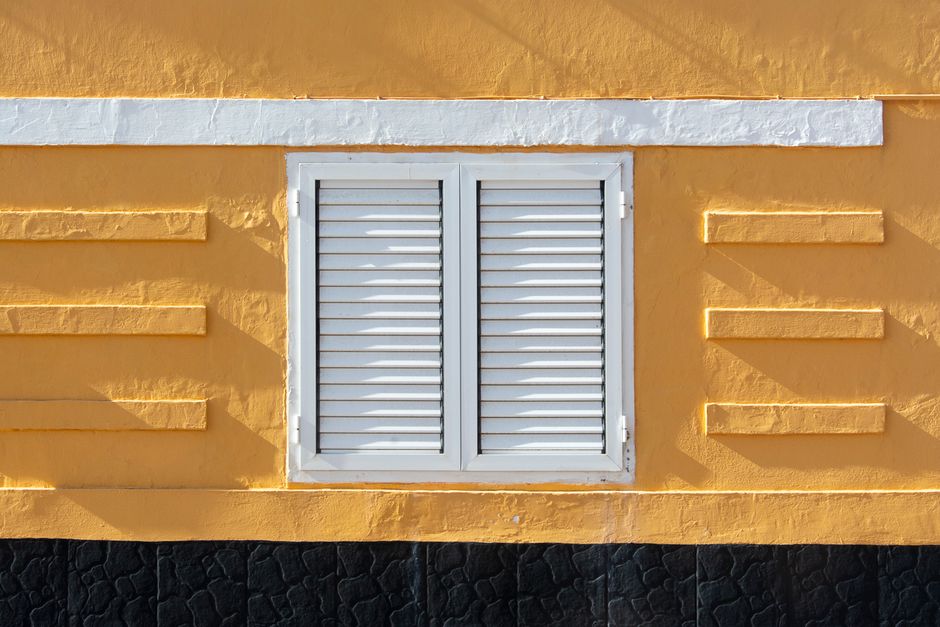
A stucco wall in direct sun runs far hotter than the air beside it. The can label gives a range for application, and it refers to the surface. An infrared thermometer pointed at the wall takes a few seconds and settles the argument. Acrylic latex that flashes off in the roller nap leaves a dry edge before the next pass, and that edge shows as a stripe when the wall is lit from the side.
Chasing the shade
The working order follows the sun. East walls are painted first thing, then the crew moves around to the north side, and the south and west elevations wait until the sun has left them. A house is never painted in one sweep. Each session is timed to the shade, so a repaint in August takes more calendar days than the same job in April.
Early starts
Crews working in summer here often start at first light, because the wall is cool. A cool wall can also hold night moisture until mid morning, and that has to be gone before painting. Starting too early on a damp wall is as bad as starting too late on a hot one, so the first hour is usually spent on prep, caulk and cut in work at eaves and trim, which tolerates a cool surface.
Wind and dust
Afternoon wind in the valley carries dust and drives overspray. A sprayer in a steady wind coats the neighbour car as easily as the wall, and loose grit in wet paint leaves a sandpaper finish. Spray work stops when the wind picks up, and brush and roller work takes its place on the sheltered sides.
The milder months
With only about 13 inches of rain in a year, the valley offers a long painting season. October and November, and again March and April, bring surface temperatures that let paint level and cure without rushing. Winter rain is rare but real, and the usual rule is no exterior coat within a day of expected rain, since fresh latex needs several hours to set before water touches it.
Summer painting is still done, and done well, when the order of work follows the shade and the thermometer is trusted over the calendar.